With Erasmus+ to Bolivia
The Erasmus+ funding programme for vocational education and training is now open to the rest of the world. Twenty percent of the approved budget can be used for financing work placements in partner countries outside Europe if certain criteria are met.
Warm welcome and a lot of support
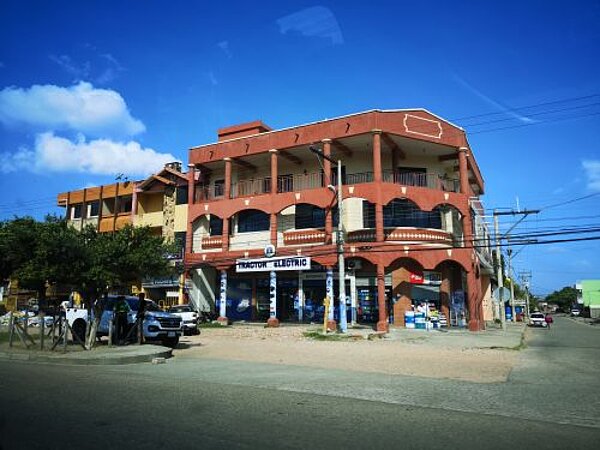
Julia Kehler is a student at Euro Akademie Hanover, Germany and is in her second year of a training and study programme in International Business Communicatio. She made the most of this opportunity and found a work placement in Bolivia through private contacts. Julia worked for eleven weeks in the administration of a hospital in Pailón, a small town in the department of Santa Cruz with approximately 10,000 inhabitants. She got to know the country and its people very well and received a warm welcome and a lot of support from her colleagues. Her tasks included working in administration, in the archives and at reception.
Imaynallataq kachkanki - How are you? Ñuqa Julia kanim - I am Julia.
Julia was particularly fascinated by the cultural diversity of the country. About forty ethnic groups keep their own traditions, cultural characteristics, and languages. Bolivia is a multilingual country, with Spanish, Quechua, and about thirty-five other languages spoken, most of them indigenous. During her stay, Julia polished her Spanish skills and prepared her placement report in Spanish.
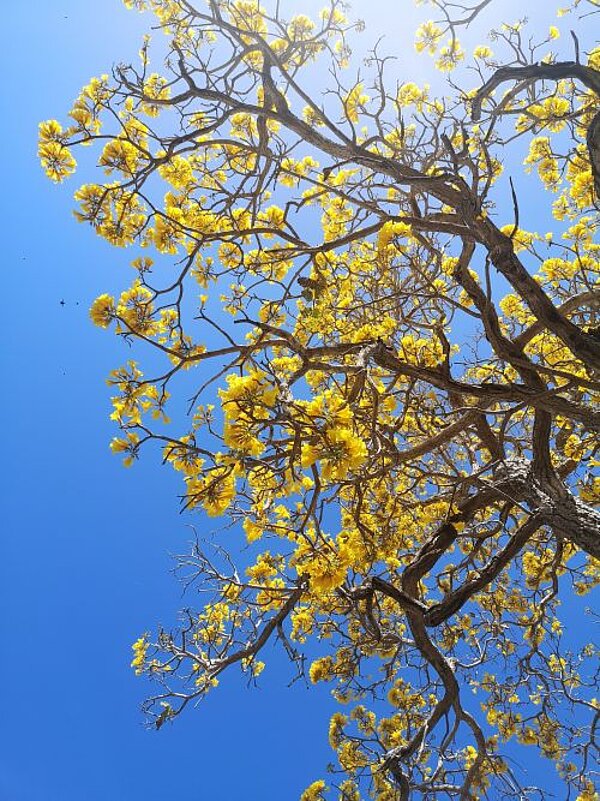
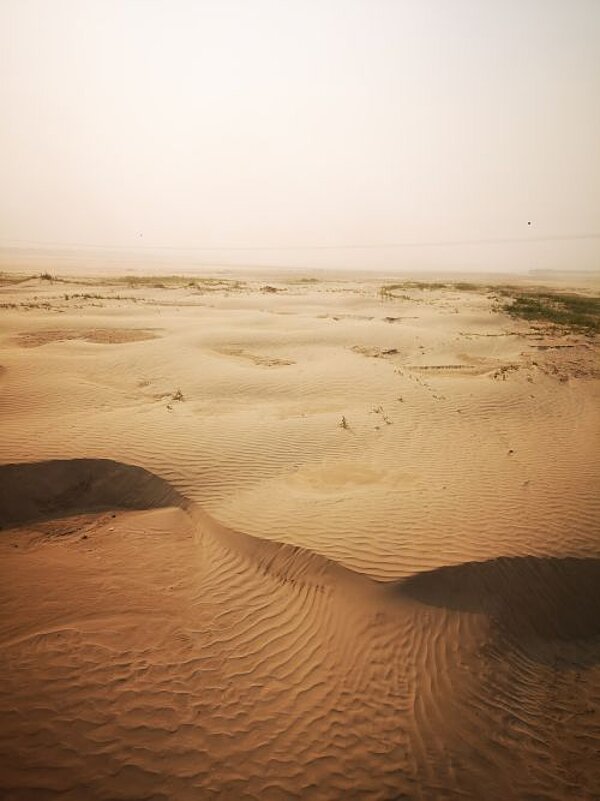
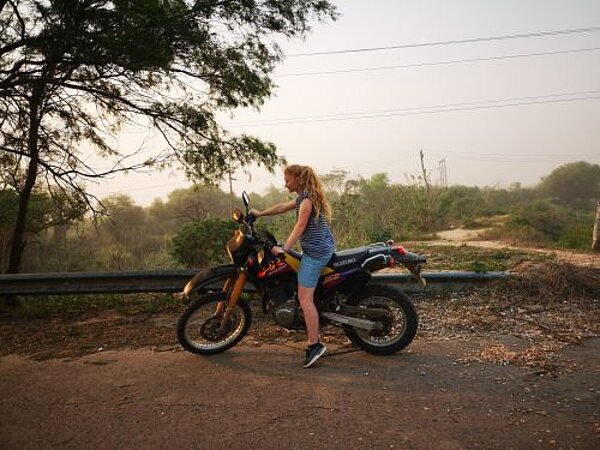
The mild temperatures made it easy to explore the fascinating landscape. Julia came back from the internship with many pictures and impressions and enjoyed her time in Bolivia very much.
*Von der Europäischen Union finanziert. Die geäußerten Ansichten und Meinungen entsprechen jedoch ausschließlich denen des Autors bzw. der Autoren und spiegeln nicht zwingend die der Europäischen Union oder der Europäischen Exekutivagentur für Bildung und Kultur (EACEA) wider. Weder die Europäische Union noch die EACEA können dafür verantwortlich gemacht werden/ *Funded by the European Union. However, the views and opinions expressed are solely those of the author(s) and do not necessarily reflect those of the European Union or the European Education and Culture Executive Agency (EACEA). Neither the European Union nor the EACEA can be held responsible for them.